

Overview
In an era where misinformation spreads faster than truth, this project explores how multimedia learning experiences can empower learners to identify and challenge fake news.
By combining an instructional video and an educational game, the project leverages storytelling, visual media, and interactive design to strengthen digital and media literacy skills.
Part I — Instructional Video: Understanding Fake News
Tool Used: Vyond, Premiere Pro, Canva
Goal: Introduce learners to the concept of misinformation and provide accessible strategies for evaluating online content.
Approach:
The video uses animated storytelling and real-world examples to explain key ideas (misinformation, disinformation, and media manipulation).
It emphasizes empathy and civic responsibility, encouraging viewers to reflect on how media shapes beliefs and public discourse.
Learning Outcome: Viewers gain foundational knowledge of how misinformation works and why critical thinking is necessary.
Vyond Instructional Video on Fake News
This video combines live-action segments where I appear on screen with animated storytelling created in Vyond. By blending personal presence with engaging visual metaphors, I aimed to make abstract concepts—like misinformation and disinformation—accessible and relatable.
This project demonstrates my ability to research complex topics, apply media literacy frameworks, and use digital tools to design learner-centered content. It reflects both my commitment to socially impactful education and my skill in creating engaging, multimodal learning experiences.
Different Video Styles Created with Vyond AI:
Part II — Game: Through the Mirage
Tool Used: Twine
Team Work: Quanlin Wu, Cathy Chen, Zhiyuan(Jakky) Li
Goal: Help learners actively practice identifying fake vs. true information through interactive gameplay.
Design Concept:
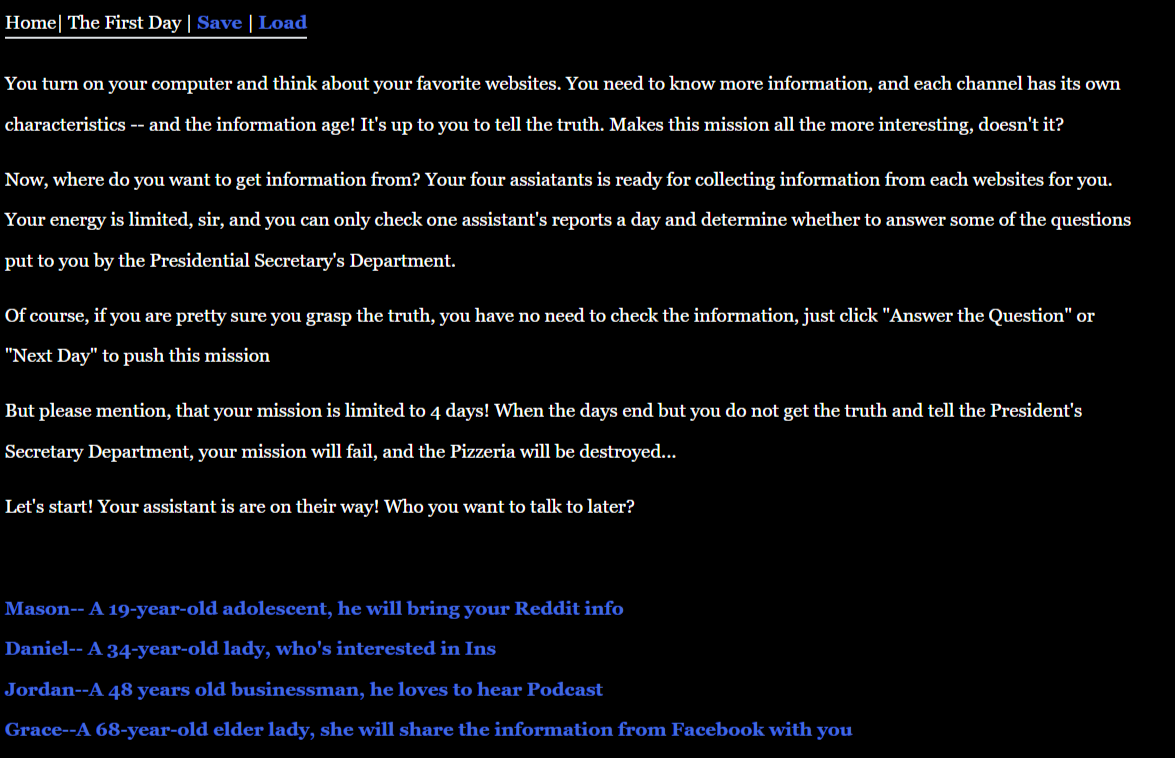
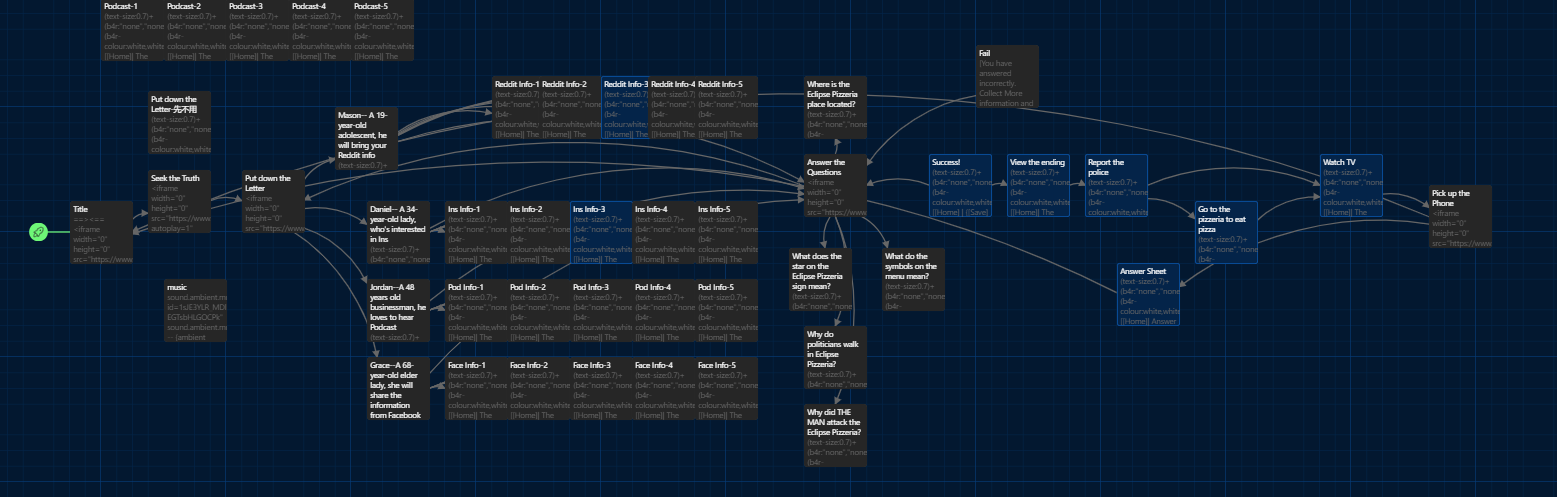
Players take on the role of a news editor navigating seven levels, each representing a different type of misinformation (e.g., satire, false context, manipulated content).
Players’ choices impact outcomes, illustrating consequences of misinformation spread.
The narrative uses emotional and ethical dilemmas to promote deeper reflection.
Learning Outcome: Learners not only recognize misinformation patterns but also understand the broader impact of misinformation on credibility and public trust.
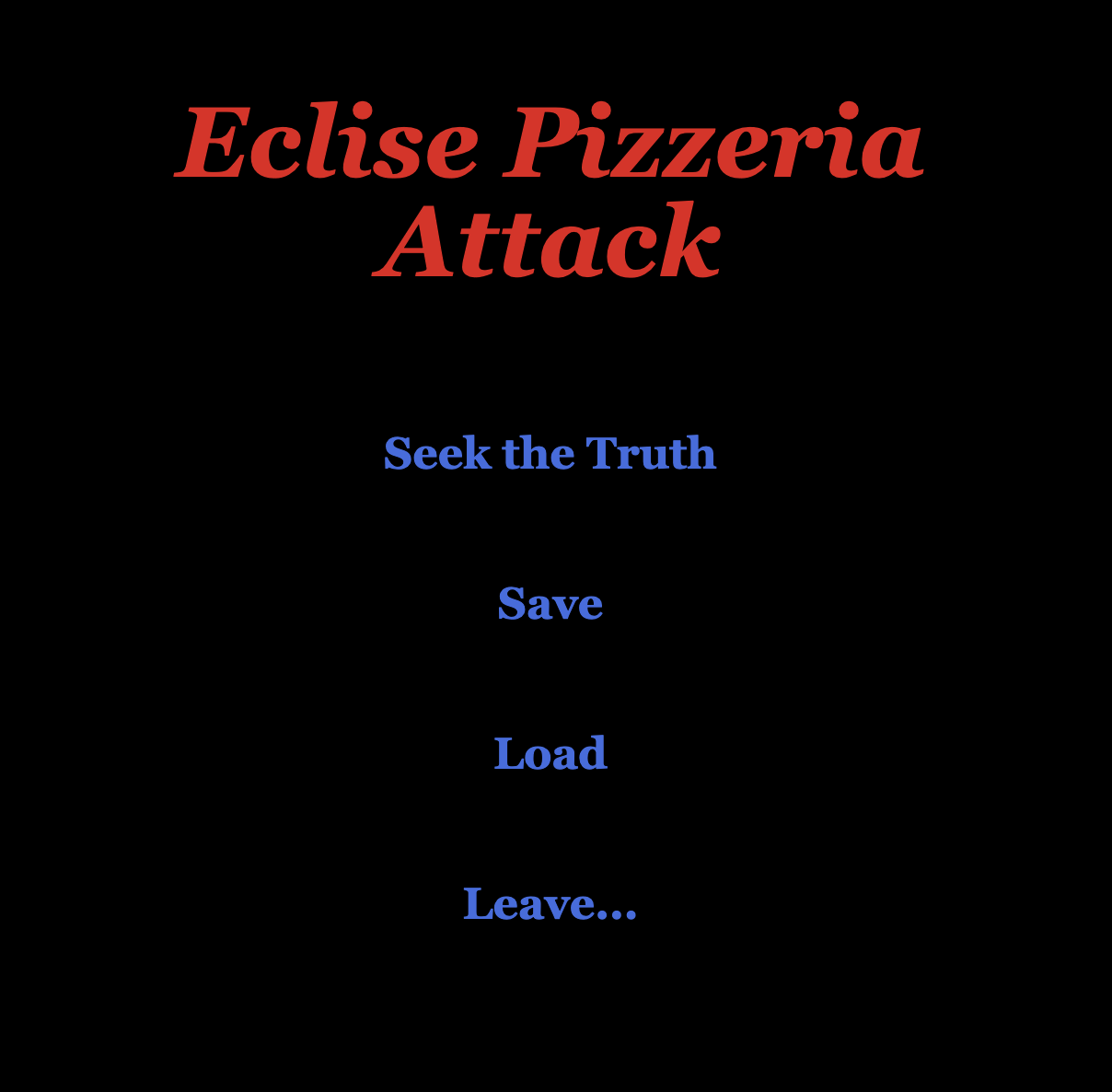
Check the game: https://zl3468.itch.io/eclise-pizzeria-attack
Integration and Pedagogical Design
This multimodal project is grounded in constructivist and experiential learning theories, drawing from frameworks like:
Multimodal Literacy (Lemerond & Rourks, 2021) — learning through diverse media forms enhances engagement and comprehension.
Game-Based Learning & Inoculation Theory (Roozenbeek & van der Linden, 2019) — educational games can act as cognitive “vaccines,” preparing learners to resist misinformation.
Critical Media Pedagogy (Jocson, 2015) — viewing media literacy as civic action and social responsibility.
Together, the video introduces awareness, while the game reinforces action and reflection, creating a complete cycle of learning.
Reflection
This project represents my exploration of how media design, technology, and education intersect.
By designing both an instructional video and a game on the same topic, I learned how different media formats shape learning engagement — and how each can address different layers of understanding: awareness, practice, and reflection.
Ultimately, the project demonstrates my ability to design multimodal learning experiences that are informative, engaging, and socially meaningful.